
Project Overview
Maple & The Forest of Words is a casual, narrative-driven mobile platformer with light puzzles and simple enemy interactions. I worked as a Level & Puzzle Designer for roughly six months on a team of 5–10 people.
My responsibilities included:
- Designing 8–10 levels from blockout to final layout
- Creating platforming sequences and navigation beats
- Placing enemies and defining their movement patterns
- Building puzzle interactions
- Setting up triggers for cutscenes and narrative audio
- Preparing clean handoffs for the art team
The game focused on delivering a relaxed, story-first experience, with approachable platforming and simple interactions that supported the narrative.
Design Goals
The core goals for level design were:
- Casual-friendly platforming
- Simple, readable puzzles
- Light enemy pressure using NES-style logic
- Smooth pacing that supported the narrative
- No sudden difficulty spikes
Enemies followed simple patterns: they were pretty much a “Goomba-style” beetle that patrolled back and forth, and a bat that moved along predefined flight paths. These were used to create light pressure and maintain rhythm without overwhelming players.
A Problem: Players Were Getting Bored
Late in production, playtesters consistently reported feeling bored or unengaged during levels.
Through user tests and internal reviews, we discovered the root cause:
- Long stretches of empty traversal had been added to give narrative audio time to play
- These sections created dead air, killing level rhythm
- Levels became “walk forward to hear story” rather than interactive platforming
- The pacing failed to support the moment-to-moment gameplay we wanted
- The issue surfaced at the end of production, when time was already extremely tight
The result: playtest ratings hovered around 1–3 stars.
We couldn’t ship the game like that.
The Rebuild: Fixing Every Level Under Deadline
A small cross-discipline group — design, art, and narrative — tag-teamed to overhaul all levels before launch.
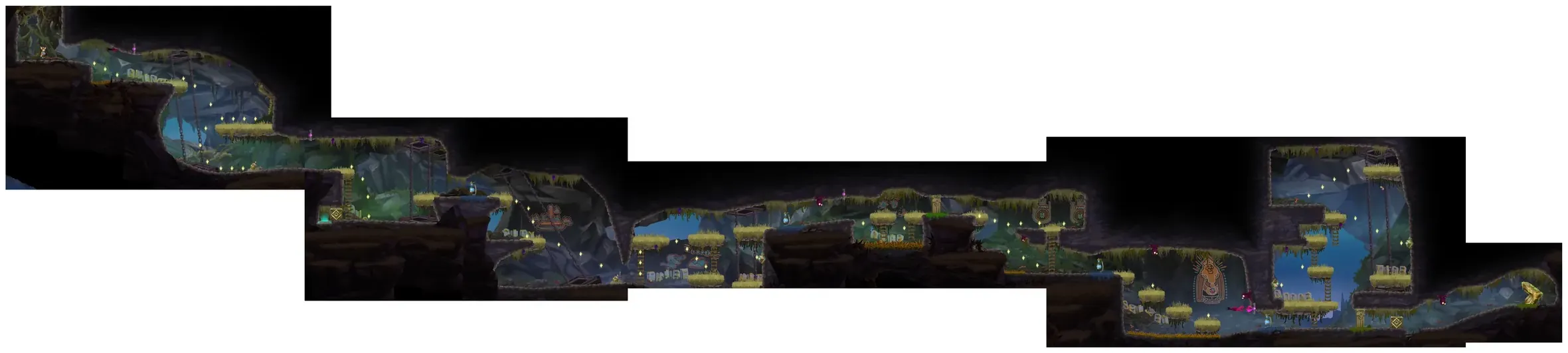
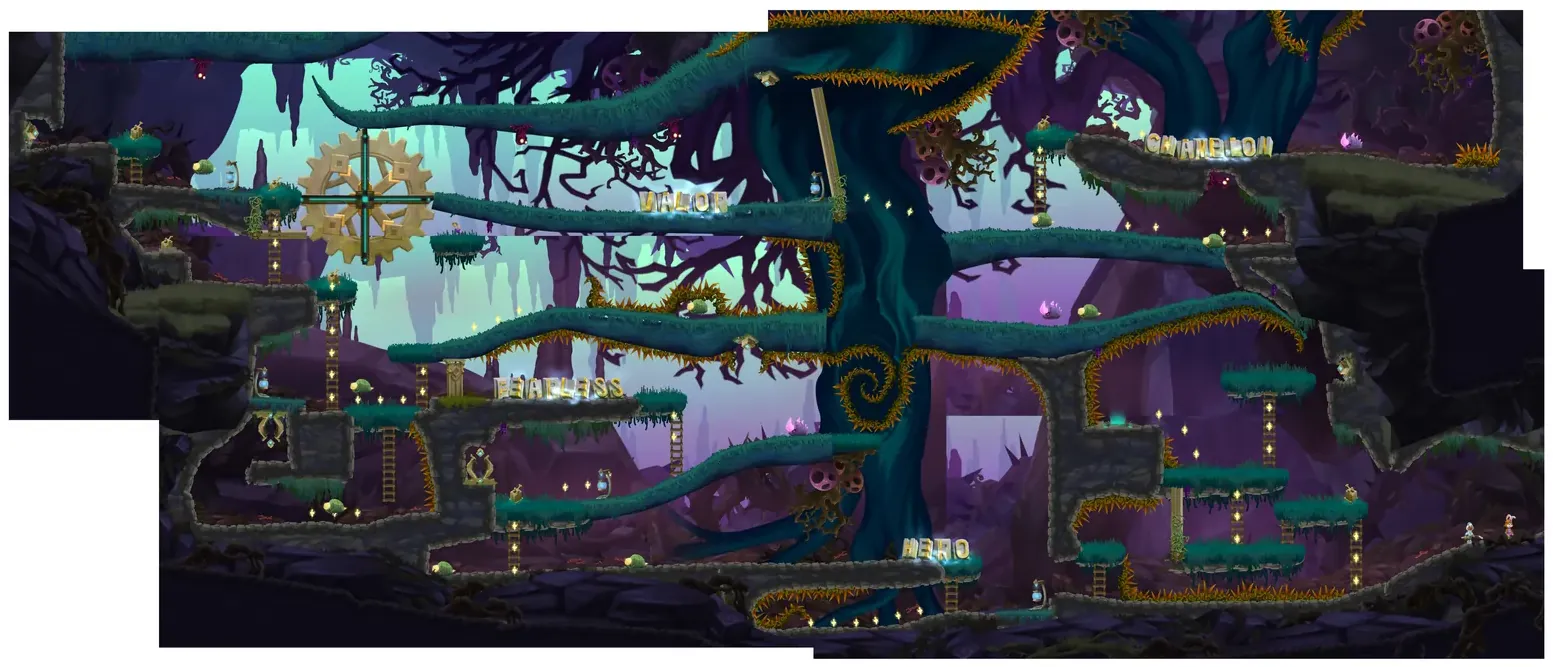
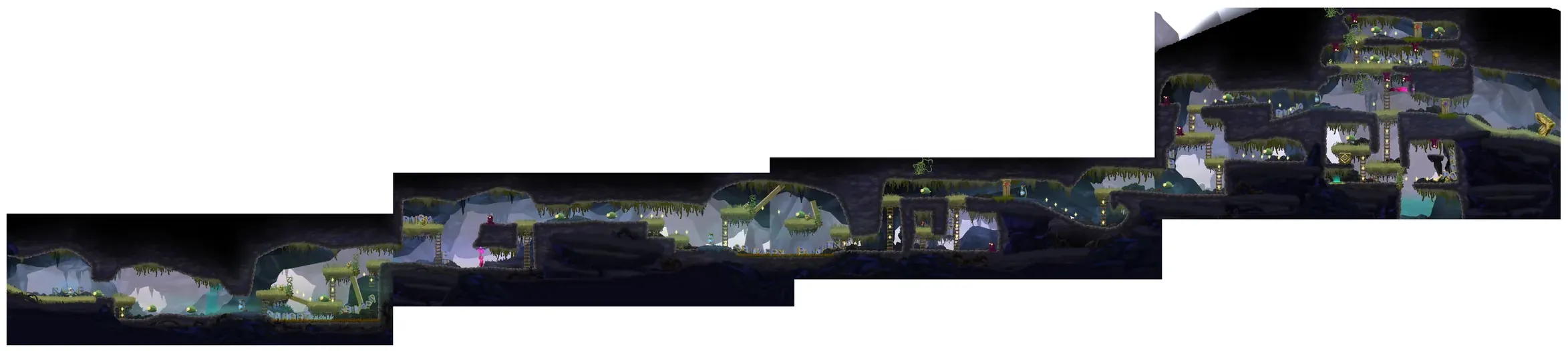
I personally rebuilt 4–6 levels, focusing on:
1. Removing Dead Space
- Cut long empty walking sections
- Tightened traversal paths
- Reintroduced interaction density
2. Adding Engaging Beats
- Inserted new platforming sequences
- Added simple but readable puzzles
- Placed additional enemies to add more moment-to-moment gameplay
- Adjusted enemy paths and timing to fit new layouts
3. Structuring Pacing Around Interaction, Not Story
- Ensured narrative lines flowed between gameplay beats
- Avoided long unbroken segments
- Balanced quiet moments with interaction spikes
4. Rebuilding Blockouts for Art
Because the rebuild broke the previous art pass:
- I rebuilt clean blockouts
- Optimized geometry for fast art turnaround
- Assisted the art team where needed to meet the deadline
This was essentially a full-level redesign sprint during the final stage of production.
Outcome
The overhaul produced immediate, dramatic improvements:
- Overhauled 9 levels in 6 weeks; user test ratings jumped from 1–3 to 4.5–5 stars
- Players stayed engaged throughout levels
- Boredom-related drop-off decreased
- Narrative moments landed better because gameplay was no longer interrupting pacing
- Enemies and platforming created a rhythm the game originally lacked
We shipped levels that felt fun, interactive, and paced correctly, even under extreme time pressure.


What I Learned
- Moment-to-moment gameplay is the backbone of player engagement, even in narrative-driven games
- Story should support gameplay, not bury it under long walking sections
- Simple enemies can be powerful pacing tools when used intentionally
- Late-production redesigns require tight collaboration and clean communication with art
- Clean blockouts are essential for allowing art teams to rework levels quickly
- When time is tight, focus on the highest-impact level pacing fixes first
If I Redid It Today
I would push earlier in development for:
- More consistent moment-to-moment interaction
- Narrative pacing that respects player agency
- Early level layout reviews to prevent long traversal stretches from forming
- A lightweight system for verifying engagement beats in each level